How to Become a Freelance Social Media Manager With No Experience
Learn how to start a freelance social media manager career with no experience. Build essential skills, create a portfolio, and land clients through.

The digital marketing landscape has transformed significantly over the past decade, creating unprecedented opportunities for aspiring professionals. Becoming a freelance social media manager has become one of the most accessible entry points into the digital marketing industry, regardless of your background or previous experience. Unlike traditional careers that demand years of formal training or advanced degrees, how to become a social media manager is a question with an achievable answer—even if you’re starting from scratch. The global social media management market continues to expand exponentially, with businesses of all sizes desperately seeking skilled professionals to manage their online presence.
Whether you’re looking to transition careers, supplement your income, or build a full-time business, freelance social media management offers flexibility, creative fulfillment, and lucrative earning potential. This comprehensive guide will walk you through the essential steps, crucial skills, and proven strategies to launch your successful career as a social media manager without requiring any prior professional experience. By mastering the fundamentals of social media strategy, mastering essential content creation techniques, and leveraging the right tools and platforms, you’ll position yourself as a competitive candidate ready to attract paying clients and build a thriving freelance business.
The Role of a Social Media Manager
Before diving into the journey of becoming a freelance social media manager, it’s essential to understand what the role actually entails. A social media manager is responsible for developing, implementing, and managing comprehensive social media strategies that enhance brand visibility, engage target audiences, and drive business results. This professional oversees a brand’s online presence across multiple platforms, including Instagram, Facebook, Twitter, LinkedIn, and TikTok, creating and curating compelling content that resonates with followers.
The responsibilities of a social media manager job extend far beyond simply posting content. Your duties will include content creation and scheduling, community engagement and management, analytics tracking and reporting, campaign development and execution, crisis management, and strategic planning aligned with business objectives. A successful social media professional must balance creative thinking with analytical rigor, combining artistic vision with data-driven decision-making. That social media management is a multifaceted discipline will help you prepare adequately for the challenges and rewards of this dynamic career path.
Build Your Foundation: Essential Skills for Success
Developing Core Competencies
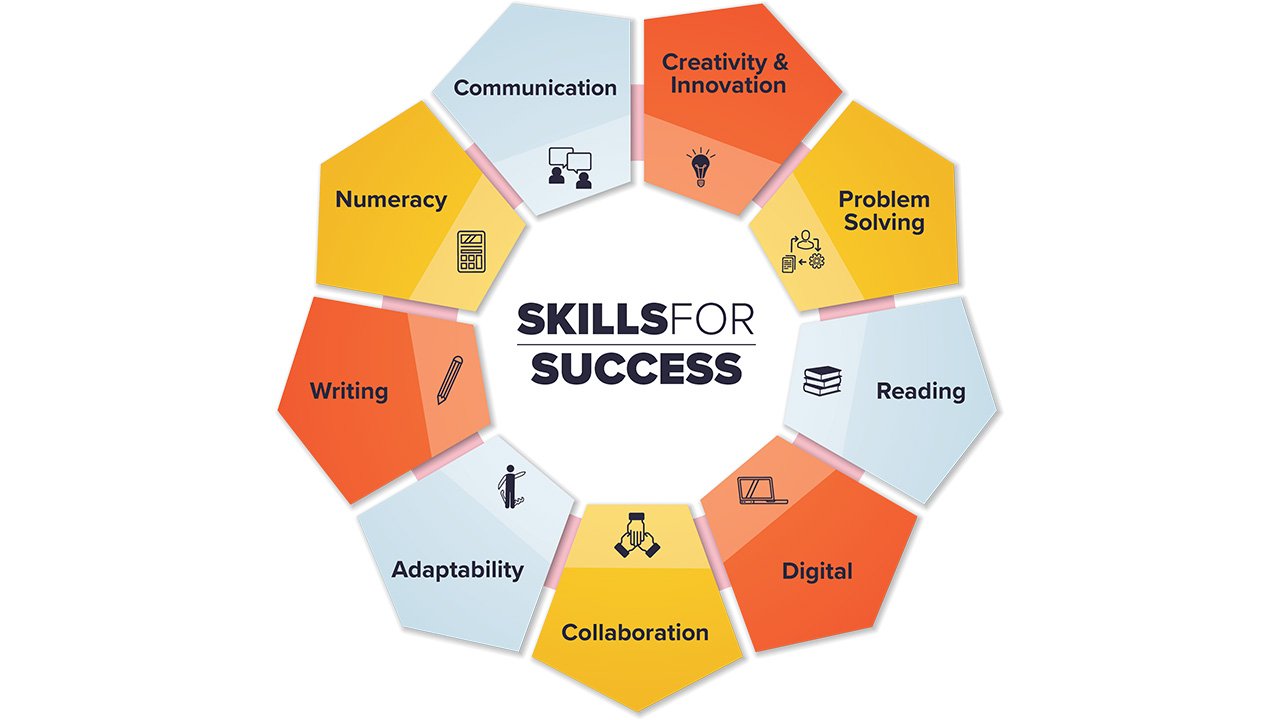
The path to becoming a successful freelance social media manager starts with developing essential skills that clients demand. Content creation stands as the cornerstone skill, encompassing writing engaging captions, designing visuals using tools like Canva, and producing short-form videos. Your ability to craft compelling copy that speaks directly to your target audience while maintaining brand voice will differentiate you from competitors.
- Social media strategy development represents another critical competency. This involves how to conduct audience research, identify target demographics, analyze competitor activities, and create strategic plans that align social media efforts with business goals. Strategic thinking enables you to move beyond reactive posting to proactive campaign planning that drives measurable results.
- Analytics and data interpretation form the analytical backbone of modern social media management. Learning to track key performance indicators, interpret insights from platforms like Meta Business Suite and Google Analytics, and translate data into actionable improvements separates amateur content creators from professional managers. You must develop the ability to report on metrics such as engagement rates, reach, impressions, click-through rates, and conversion metrics that demonstrate ROI to clients.
Mastering Communication and Community Engagement
Excellent communication skills are non-negotiable for any social media manager. You’ll spend considerable time crafting written content, responding to follower comments and messages, and communicating with clients about strategy and results. Your ability to listen, understand audience concerns, and respond authentically will build loyal communities around the brands you manage. Community management, the practice of responding to comments, handling customer inquiries, and fostering meaningful conversations, requires empathy, patience, and professionalism.
Platform-Specific Knowledge
Each social media platform operates with unique algorithms, audience demographics, content formats, and best practices. Successful freelance social media professionals must develop platform expertise across Instagram, with its focus on visual storytelling and Reels, Facebook, with its powerful advertising capabilities and community building, LinkedIn for B2B content and professional networking, TikTok for trending short-form video content, and Twitter for real-time conversation and industry news sharing. Staying current with algorithm changes and platform updates ensures your strategies remain effective in this constantly evolving landscape.
Gain Practical Experience Through Your Own Channels
Start Managing Your Personal Brand
One of the most effective ways to build your portfolio without requiring client experience involves launching your own social media presence. Select a niche based on your interests—whether that’s fitness, fashion, productivity, entrepreneurship, or any other passion area. Create accounts on platforms most relevant to your niche and begin posting consistently while implementing the social media strategy principles you’re learning. This hands-on approach provides invaluable experience in content planning, audience engagement, analytics monitoring, and strategic optimization.
The key advantage of this approach is that you create measurable results you can showcase to potential clients. Document your growth metrics: follower increases, engagement rates, reach statistics, and any tangible outcomes your content generates. When you’ve grown a modest following—even 1,000-5,000 engaged followers—you possess concrete evidence of your social media management capabilities. This self-directed experience demonstrates to potential clients that you understand what it takes to build and maintain an engaging online presence.
Practice Creating Content Consistently
Develop a content creation habit by posting regularly on your chosen platforms. Experiment with different content formats: carousel posts, Stories, Reels, live streams, educational content, entertainment, and behind-the-scenes material. Track which content types generate the strongest engagement from your audience. This experimentation teaches you how different audiences respond to various content styles and helps you develop the creative instincts necessary for professional social media management.
Use free or affordable design tools to create professional-looking graphics. Canva offers intuitive templates for Instagram posts, Stories, and other social formats. Learning basic design principles elevates your content creation quality and demonstrates that you can produce polished, branded content without requiring expensive design software or external designers.
Complete Relevant Education and Certifications
Pursue Online Courses and Certifications
While formal education isn’t required to become a social media manager, certifications significantly enhance your credibility with potential clients. Several reputable platforms offer comprehensive social media marketing courses and certifications. Meta Blueprint provides free certification in Facebook and Instagram advertising, Google Digital Garage offers complimentary digital marketing fundamentals, HubSpot Academy provides free inbound marketing and social media certification, and Coursera features numerous marketing and social media courses from university partners.
These certifications demonstrate to clients that you’ve invested in your professional development and understand current social media best practices. They also provide structured learning that ensures you haven’t missed fundamental concepts. Many of these programs are free or very affordable, making them accessible regardless of your budget situation.
Develop Specialized Knowledge Areas
Consider developing expertise in specific areas that appeal to particular client niches. You might specialize in social media for e-commerce and small businesses, focusing on driving sales through platforms like Instagram and TikTok. Alternatively, you could develop expertise in B2B social media management with emphasis on LinkedIn for professional services. Some managers specialize in community management for online communities or crisis management for brands navigating controversial situations. Specialization makes you more attractive to clients seeking deep expertise in their specific industry.
Create a Professional Portfolio
Document Your Work Samples
As you gain experience managing your own accounts or volunteering for nonprofits and small businesses, document your work in a professional portfolio. Your portfolio should showcase diverse examples of your capabilities: successful campaigns you’ve managed, before-and-after account growth metrics, content samples across different platforms, and analytical reports demonstrating your of performance metrics. Include case studies that explain your strategic approach, the challenges you faced, and the measurable results you achieved.
Even without paid client work, you can create portfolio samples from your own accounts, volunteer projects, or hypothetical client scenarios. Design mock campaigns for real brands, developing comprehensive social media strategies and content calendars that showcase your strategic thinking. These samples demonstrate your ability to analyze brands, understand target audiences, and develop cohesive content strategies.
Build an Online Presence as Your Portfolio
Your own website or LinkedIn profile serves as your primary portfolio. Create a simple website showcasing your services, testimonials from any volunteer projects, sample work, your approach to social media management, and a clear call-to-action for potential clients to contact you. Your LinkedIn profile should be professionally optimized with keywords like “freelance social media manager,” “social media strategy,” “content creation,” and “digital marketing” to ensure you appear in client searches.
Master Essential Tools and Platforms
Learn Social Media Management Software
Professional freelance social media managers leverage specialized tools to streamline their workflows and demonstrate sophistication to clients. Hootsuite allows scheduling posts across multiple platforms simultaneously, monitoring mentions and messages, and accessing analytics dashboards. Buffer offers scheduling capabilities with a focus on simplicity and analytics reporting. Meta Business Suite and Google Analytics provide detailed insights into campaign performance and audience behavior.
Familiarize yourself with design tools beyond basic Canva: Adobe Creative Suite, if you can afford it, or free alternatives like Figma for design work. Video editing tools like CapCut or DaVinci Resolve enable you to create professional-quality video content. These tools demonstrate to clients that you can operate professionally and efficiently manage their accounts without requiring supervision.
Stay Current with Platform Changes
Social media platforms constantly introduce new features and update algorithms. Successful social media managers stay informed about changes through platform announcements, industry blogs like Sprout Social and Later, YouTube channels dedicated to social media marketing, and industry podcasts. This commitment to continuous learning ensures your strategies remain effective and positions you as an expert who understands current best practices.
Develop Freelance Business Fundamentals
Set Competitive Pricing
Research what other freelance social media managers charge in your market. Beginner freelancers typically charge between $15-$50 per hour, depending on location and client type. Some managers charge project-based fees ranging from $500-$5,000 for comprehensive social media overhauls or ongoing monthly retainers starting at $500-$3,000. Don’t undervalue your work, but also be realistic about your current experience level. As you build a portfolio and testimonials, gradually increase your rates.
Create Service Packages
Develop clear service packages that simplify the buying process for potential clients. You might offer a “Starter Package” including content strategy, 8 posts per month, and basic analytics reporting; a “Growth Package” with more frequent posting, paid ad management, and detailed monthly reports; and a “Premium Package” offering comprehensive strategy development, content creation, community management, and strategic consultation. Clear packages make it easier for clients to understand what they’re buying and justify your pricing.
Establish Professional Boundaries and Contracts
Create simple service agreements outlining your deliverables, payment terms, revision policies, and communication expectations. Professional contracts protect both you and your clients by clarifying expectations upfront. Specify response times for client communication, revision limits, cancellation policies, and payment schedules to avoid damaging client relationships.
Build Your Client Base and Land Freelance Opportunities

Start on Established Freelance Platforms
Platforms like Upwork, Fiverr, and PeoplePerHour connect freelancers with clients actively seeking social media management services. These platforms are ideal starting points because they handle payment processing and offer dispute resolution. Create detailed profiles highlighting your skills, experience, portfolio samples, and pricing. Apply strategically to projects that match your expertise and experience level, customizing each proposal to address specific client needs.
Begin with competitive pricing to build testimonials and increase your visibility in platform algorithms. As positive reviews accumulate, you can gradually increase rates and become more selective about which projects you pursue. Many successful freelancers report that consistent effort on these platforms led to their first clients and reference work.
Network and Find Local Opportunities
Beyond freelance platforms, seek social media management opportunities through local networking. Small businesses and nonprofits in your area often need affordable social media help, but don’t know where to find freelancers. Offer your services at discounted rates initially—even $300-$500 monthly retainers—to build real client testimonials and case studies. These local relationships often lead to referrals as satisfied clients recommend you to business associates.
Provide Volunteer Services
Consider managing social media for a nonprofit organization you care about. Three to six months of volunteer work provides extensive portfolio material demonstrating your social media capabilities without requiring a client to pay for unproven services. This volunteer experience positions you as someone committed to your craft and allows you to develop case studies showing how you grew a nonprofit’s following and engagement from zero.
Create and Execute Your Launch Strategy
Develop a 30-Day Action Plan
Rather than starting passively, create a concrete 30-day action plan. Week one involves completing at least one online certification or course in social media marketing. Week two focuses on launching your own social media accounts and creating your first week of content. Week three involves building your portfolio website or optimizing your LinkedIn profile. Week four includes applying to 10-15 freelance projects and reaching out to three local businesses offering your services. This structured approach creates momentum and accountability.
Leverage Your Network
Tell friends, family, and professional contacts that you’re launching a freelance social media manager business. You’d be surprised how many people need help managing their small business social media. Personal referrals often convert more easily than cold outreach because people already trust you. Even if initial referrals don’t convert, they may refer you to others within their networks.
Maintain Consistency and Persistence
Building a freelance social media management business requires persistence. You may face rejection before landing your first client. Maintain consistent effort in portfolio development, skill building, and client outreach. Each client you work with becomes a stepping stone to higher-paying opportunities and more selective client selection as your reputation and skills improve.
More Read: Building a Personal Brand as a Freelancer in 2025
Conclusion
Becoming a freelance social media manager with no experience is entirely achievable through strategic skill development, practical experience, and persistent client acquisition. The path requires building content creation expertise, mastering social media strategy principles, developing analytics literacy, and gaining hands-on experience managing your own accounts before pursuing paying clients. By pursuing relevant certifications, creating a professional portfolio, learning essential tools, and actively pursuing freelance opportunities through both platforms and local networking, you position yourself for success in this growing field.
The social media management industry continues to expand as more businesses recognize the critical importance of strategic online presence, creating abundant opportunities for skilled professionals. Start today by developing your skills, building your first personal brand accounts, and taking concrete steps toward launching your freelance social media career—the barrier to entry has never been lower, and the potential rewards have never been higher.