How to Avoid Freelancer Burnout (Signs and Solutions)
Discover how to avoid freelancer burnout with actionable solutions. Learn the warning signs, proven prevention strategies, recover from exhaustion.

The freelance economy has revolutionized how professionals work, offering unprecedented flexibility, autonomy, and the freedom to build careers on individual terms. Yet beneath this appealing facade lies a silent crisis affecting millions of self-employed workers worldwide: freelancer burnout. Unlike traditional employment with defined work hours and organizational support systems, freelancing creates a unique vulnerability to exhaustion and mental fatigue. Freelancer burnout represents far more than simple tiredness—it constitutes a recognized psychological syndrome characterized by chronic stress, emotional depletion, and diminished productivity that insidiously develops over extended periods of overwork.
The World Health Organization officially classified burnout as an occupational phenomenon in 2019, acknowledging its serious impact on professional well-being and performance. Approximately 71% of freelancers experience burnout at least once in their careers, with many struggling through multiple cycles of exhaustion without addressing the root causes or viable solutions. Occupational burnout manifests through a complex interplay of physical, emotional, and mental symptoms that can devastate both personal health and professional reputation.
This comprehensive guide explores the warning signs of freelance burnout, examines underlying causes, and presents evidence-based solutions to both prevent and recover from this debilitating condition. Whether you’re experiencing early warning signs or battling full-blown exhaustion, recognizing and addressing freelancer burnout is essential for sustaining a thriving, long-term freelance career while preserving your overall well-being.
Freelancer Burnout
Freelancer burnout differs significantly from conventional workplace stress, characterized by a gradual accumulation of physical and mental exhaustion that builds silently over months or even years. The term was first coined by American psychologist Herbert Freudenberger in 1974, initially describing exhaustion among social workers. Today, burnout symptoms encompass a broader spectrum affecting professionals across all industries, with freelancers particularly vulnerable due to the self-directed nature of their work. Self-employed burnout typically manifests as a profound loss of motivation, coupled with cynicism toward work previously found meaningful and engaging.
Unlike temporary stress, which feels acute and manageable, occupational burnout represents a syndrome—a constellation of interconnected symptoms affecting multiple life domains simultaneously. Freelance professionals often fail to recognize developing burnout because they associate exhaustion with the natural consequences of entrepreneurship and self-employment. This psychological blind spot creates dangerous conditions where burnout intensifies without intervention.
The complexity of freelance burnout lies in its multifaceted nature: it combines physical deterioration, emotional exhaustion, reduced personal accomplishment, and depersonalization or cynicism toward clients and projects. Burnout as a legitimate occupational condition—rather than personal weakness—represents the crucial first step toward prevention and recovery.
Key Signs of Freelancer Burnout
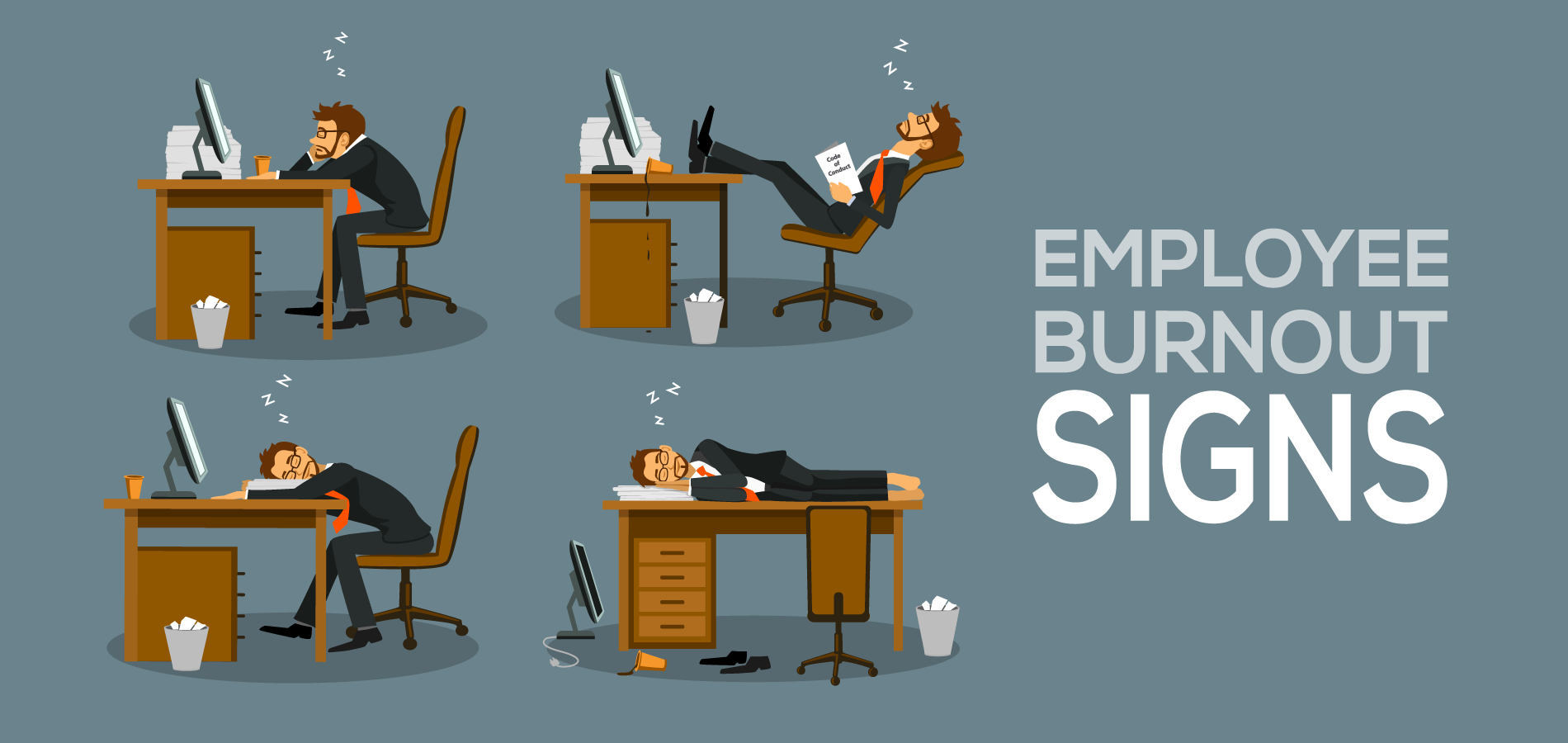
1. Physical and Somatic Symptoms
Freelancer burnout typically manifests first through physical manifestations that many overlook as normal exhaustion. Chronic fatigue represents the hallmark symptom, characterized by persistent tiredness that persists despite adequate sleep, making even simple tasks feel overwhelmingly difficult. Physical symptoms of burnout frequently include recurring headaches, muscle tension (particularly in the neck and shoulders), back pain, and gastrointestinal disturbances such as stomach aches and indigestion.
Many burned-out freelancers report weakened immune systems, falling ill more frequently with colds and infections, as sustained stress suppresses immune function. Sleep disturbances emerge as another critical physical indicator, manifesting as difficulty falling asleep, staying asleep, or experiencing non-restorative sleep where you wake feeling exhausted. Notably, these physical symptoms represent your body’s communication system signaling that current workload and stress levels exceed sustainable capacity. Ignoring physical burnout symptoms invites escalation into serious health conditions, including hypertension, heart disease, and metabolic dysfunction.
2. Emotional and Mental Exhaustion
Beyond physical manifestations, burnout creates profound emotional and mental consequences that undermine professional effectiveness. Emotional exhaustion represents the core of freelance burnout, where you feel perpetually drained, unable to give emotionally to clients, projects, or personal relationships, despite logical that these matters. Burnout symptoms include cynicism and detachment—a creeping sense that your work lacks meaning, clients are unreasonable, and professional accomplishments feel hollow.
Many freelancers experiencing burnout describe feeling numb or disconnected from projects they once found stimulating and creative. Mental burnout manifests through reduced cognitive function, difficulty concentrating even on simple tasks, decreased creativity, and pervasive self-doubt about your competence and professional value. You may experience heightened anxiety about finances, client retention, or the ability to deliver quality work. Depersonalization, where you view clients transactionally rather than as collaborators, frequently emerges alongside other burnout signs.
3. Behavioral and Motivational Indicators
Burnout behavior often involves paradoxical responses that mask underlying exhaustion. Some burned-out freelancers compensate by working even harder, convinced that intensified effort will resolve the situation, while others slip into procrastination and avoidance. Chronic procrastination frequently indicates advancing burnout, particularly when accompanied by feelings of overwhelm that make task initiation impossibly difficult. Loss of motivation toward work previously found meaningful signals serious burnout progression.
You may find yourself scrolling social media compulsively, initiating side projects yet completing none, or experiencing an inability to focus on billable work. Motivation loss extends beyond work into personal life—hobbies feel unenjoyable, social interactions feel burdensome, and previously cherished activities no longer provide satisfaction. Late-night work avoidance, sleeping in past normal routines, and missing deadlines represent behavioral manifestations of advancing freelancer burnout.
4. Relationship and Social Deterioration
Freelance burnout profoundly affects interpersonal relationships and social engagement. You may become uncharacteristically irritable with clients, family members, and friends, responding with disproportionate frustration to minor inconveniences. Burnout-related isolation compounds the problem, as exhaustion makes social interaction feel taxing rather than rejuvenating.
Many burned-out freelancers withdraw from networking activities, community involvement, and personal relationships, creating a reinforcing cycle of loneliness and disconnection. This isolation proves particularly damaging for freelancers who lack the built-in social structure of traditional employment. Relationship strain emerges as professional stress spills into personal life, affecting romantic partnerships, family connections, and friendships that previously provided essential emotional support.
Common Causes of Freelancer Burnout
The “Feast and Famine” Cycle
One of the most stressful aspects of freelancing involves unpredictable income fluctuations, alternating between periods of overwhelming work abundance and terrifying client droughts. This feast and famine cycle creates perpetual financial anxiety that permeates even periods of relative abundance. During feast periods, the pressure to maximize earnings and secure future stability drives freelancers to accept excessive projects, work unsustainable hours, and sacrifice personal needs.
During famine periods, desperation to maintain income flow causes acceptance of suboptimal projects, difficult clients, and underpriced work. Both extremes of this cycle are extraordinarily stressful, making it nearly impossible to establish sustainable work patterns. Income uncertainty ranks among the top causes of freelance burnout, contributing to anxiety, sleep disruption, and financial stress that pervades all aspects of life.
Lack of Clear Boundaries
The defining characteristic of freelance work—flexibility and autonomy—paradoxically creates a primary burnout cause: inability to establish firm boundaries between professional and personal time. Without an organizational structure imposing work-life separation, freelancers frequently blur these boundaries, working evenings, weekends, holidays, and vacations. Research indicates approximately 78% of freelancers work while on vacation, and nearly 10% take zero time off annually.
Boundary erosion happens gradually—checking emails during family dinners, responding to client messages at 11 PM, squeezing work into vacation time. Over months, this constant availability exhausts mental and emotional resources. Unclear work boundaries prevent the psychological restoration necessary for sustainable productivity, keeping your mind perpetually engaged with professional concerns even during designated personal time. Clients without firm boundaries often come to expect 24/7 availability, further entrenching unsustainable patterns.
Difficult Clients and Scope Creep
Not all burnout causes relate to workload quantity; client quality profoundly affects freelancer burnout risk. Difficult clients—those with unrealistic expectations, poor communication, boundary-disrespecting behavior, or chronic payment issues—create disproportionate stress relative to actual work volume. Scope creep, where project requirements expand beyond original agreements without compensation adjustment, generates resentment and exhaustion. Clients demanding 24/7 availability, frequent revision rounds, or frequent assumption changes during projects create emotionally draining interactions. Many freelancers maintain problematic client relationships out of fear of income loss, perpetuating cycles of frustration and resentment.
Overworking and Unrealistic Expectations
Many freelancers succumb to self-imposed pressure to constantly expand capacity, take additional projects, and work beyond reasonable limits. This internal drive often stems from financial anxiety, ambition, or perfectionism. Overworking creates a vicious cycle: excessive hours reduce sleep quality, impair cognitive function, and decrease productivity, necessitating even longer hours to maintain output quality. Unsustainable work patterns inevitably lead toward burnout as the human body and mind become depleted beyond recovery capacity.
Proven Solutions to Prevent Freelancer Burnout
Establish Clear Work-Life Boundaries
The foundation of burnout prevention rests upon establishing firm, non-negotiable boundaries between professional and personal time. Setting work hours represents the most critical intervention, involving the determination of specific start and end times for work activities, then rigorous adherence despite client pressure or project deadlines. Work-life balance for freelancers requires conscious effort—designate a specific workspace separate from living areas, preferably a dedicated room or section where you work exclusively.
This physical separation reinforces psychological boundaries between work and personal identity. Crucially, establish communication boundaries through scheduled email-checking times rather than continuous monitoring, and set client expectations about response timeframes. Many freelancers find success with the 70-30 rule: filling 70% of their schedule with billable work while preserving 30% for breaks, hobbies, networking, and unexpected opportunities.
This intentional capacity constraint prevents overcommitment and preserves mental space for recovery and creativity. Boundary setting may feel uncomfortable initially, particularly for anxiety-prone freelancers fearing client loss, but firm boundaries ultimately enhance client relationships by ensuring consistent, high-quality delivery.
Master Time Management and Prioritization
Effective time management for freelancers prevents overwhelm and reduces burnout risk substantially. Begin by identifying your most important tasks—those generating the highest revenue, requiring the greatest focus, or driving business forward—then prioritize these during peak energy hours. Many successful freelancers employ prioritization methods such as the Eisenhower Matrix, categorizing tasks by urgency and importance to identify true priorities hidden among apparent demands.
Time blocking—allocating specific time periods to specific activities—creates structure, preventing work from expanding indefinitely. The Pomodoro Technique, using focused 25-minute work periods followed by short breaks, combats burnout by preventing extended focus periods that lead to mental exhaustion and procrastination. Project management tools like Asana, Monday.com, or Notion help visualize workload, preventing the cognitive overwhelm of juggling multiple client projects mentally.
Effective planning for freelancers involves weekly reviews assessing progress, identifying bottlenecks, and adjusting schedules for upcoming weeks. Realistic task estimation prevents the demoralization of perpetually unmet deadlines—many freelancers systematically underestimate required time, creating perpetual stress.
Implement Strategic Client Selection
Preventing freelancer burnout requires ruthless evaluation of client relationships, recognizing that not all income represents equal value. Creating a client evaluation matrix categorizing clients by profitability (pays well/pays poorly) and enjoyment (work satisfying/unsatisfying) clarifies which relationships merit preservation. Ideal clients—those paying well for work you enjoy—deserve maximum attention and premium service. Clients paying well for dissatisfying work might warrant rate increases or task delegation to make them tolerable.
Clients pay poorly for enjoyable work merit rate increase requests, with reduced engagement if the client declines. Clients in the poor-pay, poor-enjoyment quadrant deserve termination. This strategic approach prevents burnout from difficult clients, redirecting energy toward profitable, satisfying relationships. Additionally, developing explicit client selection criteria—specific industries, project types, communication preferences, or payment terms—enables proactive rejection of misaligned opportunities before accepting them.
Practice Regular Breaks and Rest
Despite intuitive recognition that rest prevents exhaustion, many freelancers treat breaks as frivolous indulgences rather than essential maintenance. Regular breaks throughout workdays—even short 10-minute intervals every hour—significantly improve productivity while preventing burnout fatigue. Research on the Pomodoro Technique demonstrates that short, frequent breaks actually increase output while reducing errors. Weekly rest days, where you completely disconnect from work, enable psychological restoration impossible during working weeks.
Annual vacation time provides extended disconnection crucial for substantial recovery; freelancers benefit from scheduling vacation proactively rather than reactively when burnout forces time off. During breaks, genuinely disconnecting—avoiding email, work thoughts, and professional tasks—maximizes restoration. Many freelancers need explicit permission to rest, recognizing that sustainable careers require recovery periods as fundamental as work periods.
Develop a Supportive Community
- Freelance isolation exacerbates burnout risk, making community development essential for psychological well-being. Building a support network of fellow freelancers provides validation, shared experiences, and practical advice from those navigating identical challenges. Online freelancer communities (Reddit’s r/freelance, Facebook groups, Slack communities), local meetups, and professional organizations offer connection opportunities.
- Accountability partners or mastermind groups—small circles of freelancers meeting regularly—provide mutual support, idea sharing, and gentle pressure toward sustainable practices. Beyond professional communities, cultivating personal relationships with family and friends prevents the isolation that compounds burnout effects. Many successfully burned-out-recovered freelancers credit community support as critical to their recovery journey.
Recovery Strategies for Existing Burnout
Acknowledge the Situation Honestly
Burnout recovery begins with honest acknowledgment that burnout exists and requires intervention. Many freelancers resist this acknowledgment, attributing exhaustion to temporary stress or seasonal workload fluctuations. Recognizing burnout as a legitimate condition requiring action represents essential first steps toward recovery. This might involve seeking professional mental health support from therapists or counselors who can help identify root causes and develop personalized recovery strategies.
Reduce Workload Intentionally
If currently experiencing burnout, reducing workload represents a primary intervention, though understandably anxiety-provoking for income-dependent freelancers. Workload reduction might involve declining new projects, extending timelines, renegotiating project scope, or temporarily reducing client load. The paradoxical benefit: overworked, burned-out freelancers produce lower-quality work, risking client relationships more than thoughtful workload reduction. Accepting fewer, better-compensated projects often improves both income and well-being compared to maintaining excessive, poorly-paid work.
Prioritize Self-Care and Wellness
Self-care practices prove crucial for burnout recovery, encompassing physical, mental, and emotional restoration. Healthy sleep habits form the foundation—targeting 7-9 hours nightly, maintaining consistent sleep schedules, and creating sleep-conducive environments. Regular exercise reduces stress hormones while improving mood and cognitive function; even modest movement (30-minute daily walks) demonstrates significant benefits. Nutrition impacts mood, energy, and resilience—prioritizing whole foods, adequate hydration, and limiting stimulants (caffeine, sugar) supports recovery. Stress management practices such as meditation, deep breathing, yoga, or journaling provide mental restoration. Engaging in genuinely enjoyable hobbies and activities unrelated to professional identity helps recover a lost sense of self beyond work.
Seek Professional Mental Health Support
Severe burnout with depression, anxiety, or health concerns warrants professional mental health support. Therapists can help identify burnout causes, develop coping strategies, and address underlying conditions like anxiety or depression that may perpetuate burnout cycles. This support proves invaluable for sustainable recovery.
Long-Term Burnout Prevention Strategies
Build Systemic Resilience
Rather than treating burnout prevention as a temporary effort, building sustainable systems creates lasting resilience. This involves establishing regular routines supporting well-being—consistent sleep and wake times, weekly exercise habits, monthly breaks, and annual vacation time. Sustainable freelance practices treat self-care with equivalent priority to client work. Financial buffers reducing income anxiety eliminate a primary burnout cause; maintaining 3-6 months’ expenses reserves reduces desperation, driving overwork. Diversified income from multiple clients prevents dangerous dependence on single relationships.
Continuously Monitor Burnout Warning Signs
Developing personal awareness of your specific burnout indicators—whether physical symptoms, behavioral changes, or emotional shifts—enables early intervention before burnout becomes severe. Regular self-reflection about work satisfaction, energy levels, and life balance identifies concerning trends early.
Invest in Professional Development and Growth
Career stagnation contributes to burnout through lost engagement and a sense of progress. Investing in professional development—learning new skills, pursuing certifications, exploring new specializations—maintains engagement and opens possibilities for higher-value, more satisfying work.
Also Read: What to Charge as a New Freelancer Pricing Guide by Industry
Conclusion
Freelancer burnout represents a serious occupational phenomenon demanding proactive prevention and strategic intervention, yet remains highly preventable through intentional practices prioritizing boundaries, realistic expectations, community support, and genuine self-care. Recognizing burnout signs early—physical symptoms, emotional exhaustion, behavioral changes, relationship deterioration—enables intervention before severe damage occurs to health and career.
Burnout stems from interconnected factors, including income instability, boundary erosion, difficult client relationships, and relentless overwork, each addressable through deliberate lifestyle adjustments and business strategies. Proven solutions ranging from establishing firm work-life boundaries and mastering time management to selecting clients strategically and building supportive communities provide actionable pathways for burnout prevention. For those already experiencing burnout, recovery requires honest acknowledgment, workload reduction, intensified self-care, and potentially professional mental health support.
The central insight underlying burnout prevention and recovery is this: sustainable freelance careers require treating your well-being with equivalent priority to client relationships and project delivery, recognizing that your capacity for excellent work depends fundamentally upon your physical, mental, and emotional health remaining intact. By implementing these strategies systematically, you can build thriving freelance careers characterized by meaningful work, healthy relationships, financial security, and personal fulfillment—avoiding the exhaustion and despair that freelancer burnout otherwise threatens to impose.